Mastering the Art of Dog Parenting: Essential Tips for Training and Caring for Working Canines
When we think of dogs, we often picture playful pups frolicking in the park or snuggling on the couch. However, there’s an entire world dedicated to working canines—those underpinning crucial roles in our everyday lives. From assistance dogs to therapeutic dogs, these professional dog breeds offer unwavering support and extraordinary capabilities. But as any dog lover knows, mastering the art of dog parenting—especially for working dogs—requires specialized knowledge and skills. So, how do we unlock the secrets of training and caring for these remarkable animals?
Training working dogs is not just about teaching commands; it's about building a partnership based on trust and respect. Whether you’re venturing into dog obedience training or delving into more nuanced canine behavior modification, understanding your dog's unique traits is fundamental. For instance, have you ever thought about how your dog’s breed influences their learning style? For many working dog breeds, mental stimulation is just as vital as physical exercise. This is where dog behavior tips come in handy. A dog that craves engagement will thrive with interactive toys or advanced obedience tasks, while another might just need a daily routine of walks and basic commands.
Imagine coming home after a long day, and your emotional support dog greets you with unconditional love. How do we foster such strong bonds? To ensure your canine's emotional health and enhance their ability to support you, prioritizing canine wellness is key. Whenever you’re managing pet care maintenance, consider incorporating activities specifically designed for your dog’s breed and role. Just like humans engage in fitness for their well-being, your working canine also requires a tailored routine to maintain dog fitness. Whether it's agility training or a simple jog around the block, consistency is critical!
As pet owners, we often underestimate the responsibility of canine health. Did you know that regular check-ups can significantly affect your working dog’s performance? Beyond basic vaccinations, being aware of common health issues in professional dog breeds is vital. For example, some breeds are prone to hip dysplasia or heart conditions, which may interfere with their ability to perform tasks. Therefore, veterinarians recommend regular physical and emotional health screenings. It’s understandable that caring for a working dog can feel daunting at times, but sharing this journey with other dog lovers can ease your worries. Don’t hesitate to lean on your community for advice, recommendations, and support as you navigate dog parenting tips about working canines.
Finally, let’s talk about the actual working dog activities that can enrich your and your canine’s lives. From tracking and scent detection to mobility assistance and therapy work, there are countless paths to explore. Often, these activities not only promote skill development but also strengthen the bond between you and your dog—creating lasting memories in the process. So, as you embark on this journey, keep in mind that dog training working dogs can be a dynamic and fulfilling experience. Which particular activity do you believe your dog would excel in? Let the adventure of dog parenting lead to partnerships that transform both your lives.
Nurturing Your Four-Legged Partner: Comprehensive Dog Parenting Tips for Success
Dog parenting goes beyond just feeding and walking your canine companion; it's a journey of love, understanding, and mutual growth. As dog lovers, we often find ourselves overwhelmed by the demands of proper dog care essentials. But fear not! Nurturing your four-legged partner is an adventure filled with rewards, particularly when you’re responsible for working canines. Whether you have a spirited assistance dog, a loyal service animal, or an emotional support dog, mastering the art of dog parenting opens a world of happy experiences and mutual respect.
Have you ever wondered how much a well-trained dog can enhance your everyday life? The truth is, dog obedience training is not merely about enforcing commands; it's about building a deep bond with your canine. Working dog training techniques and dog behavior tips focus on communication and understanding. For instance, did you know that positive reinforcement can lead to long-lasting results? Picture a training session where your professional dog breeds gleefully responds to your commands with wagging tails and bright eyes. It's these moments that solidify the trust between you and your furry friend.
In dog parenting, knowing the roots of canine behavior modification can make all the difference. Dogs are inherently social creatures that thrive on companionship. They exhibit certain behaviors based on their environment, which means adapting your approach can significantly improve your pet's well-being. Adopting dog parenting tips such as establishing a routine can give your working dog a sense of security, ultimately resulting in better canine health and wellness. Remember, every pooch is unique; therefore, personalizing your care routine will ensure they flourish emotionally and physically.
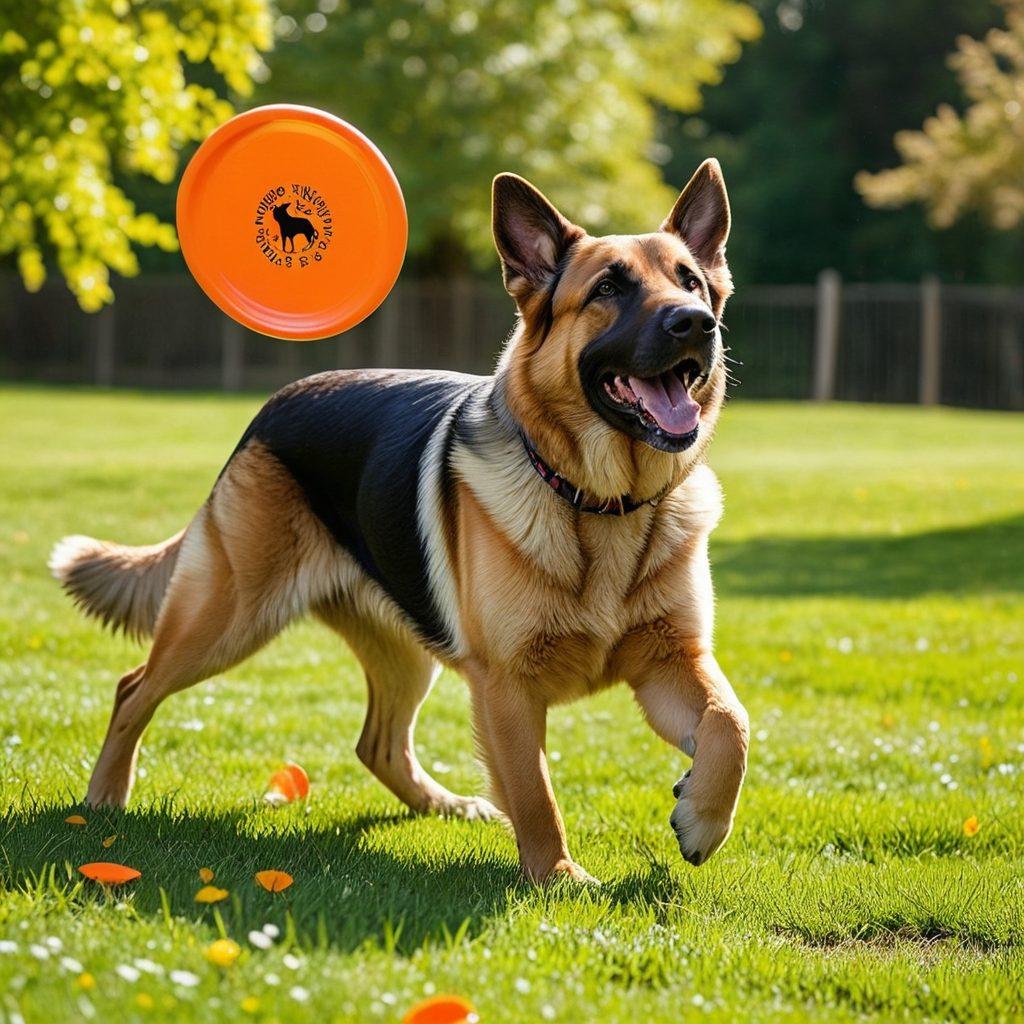
Physical health equally matters in dog parenting. Canine fitness plays a pivotal role in maintaining your dog’s vitality. The right working dog activities, such as agility training or simple fetch games in your backyard, can keep them active and engaged. Moreover, professional dog breeds have great energy levels and need structured physical activity to thrive. To maximize their happiness, mix it up! A combination of mental challenges and physical activities can stimulate your working canine, fostering obedience while strengthening your bond.
In the realm of pet ownership advice, consider the therapeutic impact your dog has on you as well. Both assistance dogs and therapeutic dogs bring unmeasurable joy and comfort into our lives, displaying the essence of true companionship. By investing time into your dog care maintenance and following these comprehensive dog parenting tips, you're not just supporting your pup's needs; you're fostering an enriching environment that cultivates love, patience, and understanding. So, how will you embark on this fulfilling journey of nurturing your beloved dog?
From Obedience to Wellness: A Holistic Approach to Caring for Professional Dog Breeds
As dog lovers, we embark on a journey unlike any other when we welcome a canine companion into our lives, especially when that companion is a working canine. These professional dog breeds – assistance dogs, therapy dogs, and service animals – bring extraordinary skills and capabilities to our everyday lives. Yet, with great power comes great responsibility, and it's up to us as dog parents to ensure that we provide the right training, care, and love. So, how can we master the art of dog parenting while nurturing the unique needs of these remarkable animals? Let's explore the holistic approach to caring for working canines, from obedience to wellness.
When it comes to dog obedience training, the foundation of a happy and obedient working dog stems from understanding the canine behavior modification techniques that resonate with their instincts. Establishing a routine that integrates positive reinforcement is crucial for your dog's success. For instance, consider this: a tired dog is a happy dog. Engaging your working dog in daily exercise through canine fitness activities not only enhances their obedience but also strengthens the bond between you and your furry friend. Have you noticed how your dog thrives after a challenging training session or a long walk? That’s the joy of working dog training techniques in action!
It's essential to remember that caring for professional dog breeds doesn't solely revolve around obedience training; it encompasses the entire spectrum of dog wellness. Just as we prioritize our health, we must ensure that our dogs receive the necessary canine health checkups, balanced nutrition, and mental stimulation. Regular visits to the vet, a well-maintained feeding schedule, and interactive toys can go a long way in promoting overall dog wellness. So ask yourself, how often do you set aside time for your dog's mental engagement and physical activity? Your dog's health – both physical and emotional – should always be a top priority.
As responsible pet owners, understanding dog behavior tips can help us form a deeper connection with our pets. Being aware of their body language, recognizing stress signals, and catering to their specific needs leads to successful training, whether you are working on service animal training or simply teaching your pet to sit. Creating a sanctuary for your dog, where they feel safe and understood, is a crucial aspect of pet care maintenance. Consider these questions: What does your dog enjoy? What are their fears and anxieties? The answers to these questions will guide you to become a more effective dog parent.
Finally, engaging in working dog activities is an excellent way to reinforce the bond you have with your canine companion while promoting their emotional and physical well-being. Activities could range from agility training, scent detection, or even moments of relaxation and calm training. Remember, as we integrate these dog parenting tips into our lifestyles, we're raising happier and healthier dogs that are well-adjusted to their roles. So let's take a moment to reflect: how can you incorporate more meaningful interactions into your daily routines? The journey of mastering dog parenting is ongoing, and it’s always worth every tail wag and playful bark!